R U OK? Ask the Harder Question Too
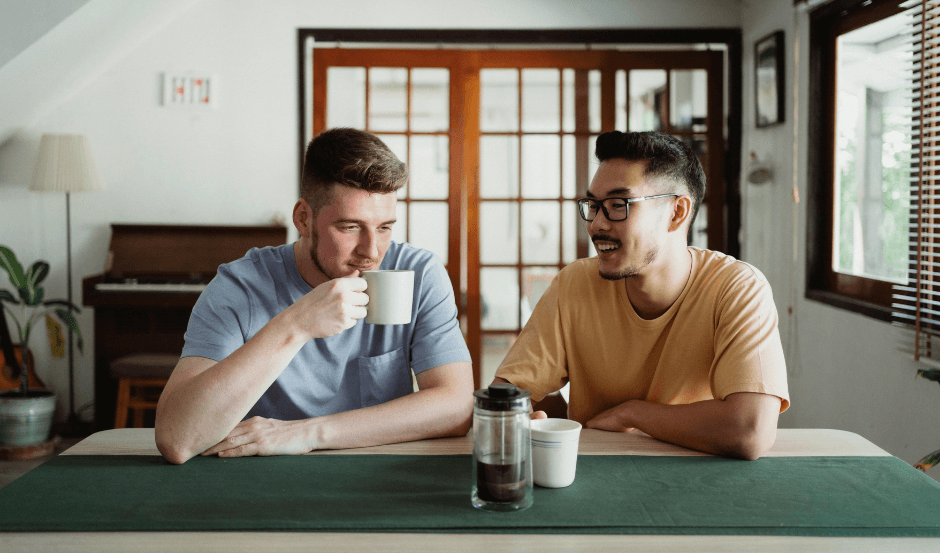
On Thursday 10 September, workplaces, schools and community groups across Queensland will pause for R U OK? Day — a national reminder that a simple, genuine question can change the course of someone's life. It's a good day. A necessary one. But if the only question we're asking is "how are you feeling," we're missing half the picture for a lot of people.
Because for many Queenslanders, the honest answer to "R U OK?" isn't hiding behind mood. It's hiding behind money.
The question behind the question
Gambling harm rarely announces itself the way sadness or anxiety sometimes do. There's no obvious tell. Someone can answer "yeah, good thanks" to R U OK? with complete sincerity, because in that moment, emotionally, they might be fine — while quietly managing a debt, a secret, or a habit they don't know how to talk about.
This is one of the reasons gambling harm is so often missed by the people closest to it. We're trained, rightly, to listen for signs of emotional distress. We're far less practised at listening for signs of financial or behavioural distress — the extra shifts someone's suddenly picking up, the vagueness around where the money went, the irritability that surfaces only when the footy odds come up in conversation.
R U OK? Day gives us permission to ask a caring question. It's worth remembering that permission extends further than we usually take it.
Why this connects to mental health, not around it
Gambling harm and mental health aren't separate conversations — they feed each other in both directions. Financial stress from gambling can trigger anxiety, depression and shame that make it harder to reach out. And existing mental health struggles, particularly isolation and low mood, can make the escape offered by gambling — the focus, the hope, the temporary numbness — genuinely hard to resist.
This is exactly why a day built around asking "are you okay" is such a natural moment to widen the lens. If someone's struggling with gambling, they're very likely also struggling with something R U OK? Day was designed to surface. The two aren't competing concerns — they're often the same concern wearing different clothes.
How to actually ask
If you suspect gambling might be part of what's going on for someone, the good news is you don't need a different script — you need a slightly more specific one.
Ask about patterns, not amounts. "You've been checking your phone a lot during the game lately, how's that going for you?" lands better than any question about how much someone's spending.
Normalise before you probe. Mentioning that gambling harm is common and rarely about willpower makes it easier for someone to be honest without feeling judged.
Listen for what's not said. Deflection, joking it off, or a quick change of subject is often more informative than the actual words.
Don't aim to fix it in one conversation. The goal of R U OK? Day was never to solve everything on the day — it's to open a door that stays open.
A conversation, not a checklist
None of this requires becoming an expert overnight. It requires the same thing R U OK? Day has always asked of us: genuine curiosity, a willingness to sit with an uncomfortable answer, and enough patience to ask again next week if the first conversation doesn't go anywhere.
If you're supporting someone through this, or if the honest answer to R U OK? is closer to "not really" than you'd like it to be, free confidential support is available.
General Referrals & Contact Details
- Far North Qld:
07 4050 4988 - office hours - 8:30am-4:30pm - Central Qld:
0498 000 325 - office hours - 8:30am-4:30pm - Wide Bay & Burnett:
07 4191 8400 - office hours - 8:30am-4:30pm - Out of Hours:
1800 858 858 24/7